
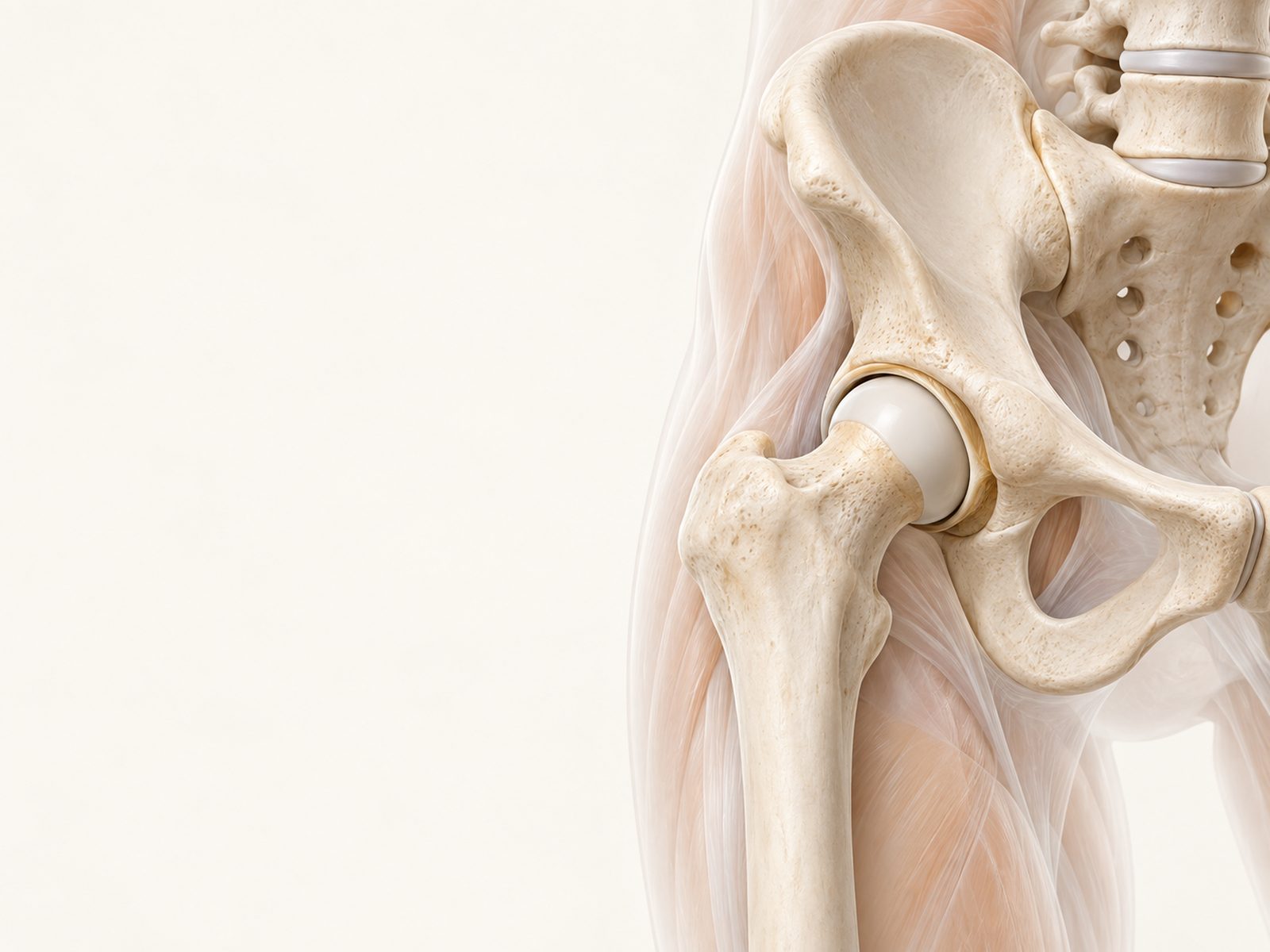
Joint Pain & Degeneration
Regenerative medicine offers a non-surgical approach to joint health, targeting the root causes of pain, inflammation, and cartilage loss.
Understanding Joint Degeneration
Joint degeneration, commonly known as osteoarthritis, occurs when the protective cartilage that cushions the ends of bones wears down over time. This progressive condition affects millions and can significantly impact quality of life, mobility, and independence.
Common joints affected include knees, hips, shoulders, hands, and spine. Symptoms typically include pain, stiffness, swelling, reduced range of motion, and grinding sensations during movement.
Common Causes
- Age-related wear and tear
- Previous joint injuries
- Repetitive stress or overuse
- Genetic predisposition
- Metabolic factors
Typical Symptoms
- Persistent joint pain
- Morning stiffness
- Reduced mobility
- Swelling and inflammation
- Grinding or clicking sounds
How Stem Cell Therapy Helps
Mesenchymal stem cells (MSCs) offer a regenerative approach to joint health by addressing the underlying causes of degeneration rather than simply masking pain.
- 1
Reduces Inflammation
MSCs release anti-inflammatory cytokines that modulate the immune response, reducing chronic inflammation that drives joint pain and tissue breakdown.
- 2
Promotes Cartilage Regeneration
Stem cells can differentiate into chondrocytes (cartilage cells) and release growth factors that stimulate the body’s natural cartilage repair mechanisms.
- 3
Improves Joint Lubrication
MSCs enhance synovial fluid production, improving joint lubrication and reducing friction during movement.
- 4
Supports Tissue Repair
Growth factors released by stem cells signal surrounding cells to initiate repair processes, supporting overall joint health and function.
Treatment Protocol & Timeline
Initial Consultation
Comprehensive evaluation, medical history review, and diagnostic imaging to assess joint condition and create a personalized protocol.
Treatment Day
Minimally invasive injection procedure (60–90 minutes) performed in our clinic with ultrasound guidance for precise placement.
Recovery & Follow-Up
Ongoing support with nutrition, peptides, and lifestyle guidance. Most patients resume normal activities within days.
What to Expect
- Week 1–2
- Initial inflammatory response as cells begin working. Some patients experience temporary soreness.
- Week 4–6
- Noticeable reduction in pain and improved mobility as anti-inflammatory effects take hold.
- Month 3–6
- Continued improvement as tissue regeneration progresses. Peak results typically seen around 6 months.
Expected Outcomes
Individual results vary with the severity of degeneration, age, and overall health. What follows is what patients commonly work toward, not a guarantee of outcome.
Pain Reduction
Many patients report meaningful pain reduction in the weeks following treatment as inflammation settles.
Improved Mobility
Increased range of motion, reduced stiffness, and ability to return to activities previously limited by joint pain.
Reduced Inflammation
Decreased swelling and inflammatory markers, creating a healthier joint environment for long-term function.
A Non-Surgical Option to Weigh First
Regenerative protocols are worth evaluating before committing to joint replacement. Whether surgery is ultimately right for you is a decision you and your physician make together.
Enhanced Quality of Life
Return to sports, hobbies, and daily activities with improved confidence and reduced reliance on pain medications.
Minimal Downtime
Non-surgical approach with minimal recovery time compared to invasive procedures.
Services We May Use
These are the approaches most often drawn on for joint pain & degeneration. Which of them fits — if any — is decided at your consultation, not before it.
StemWave Therapy
Focused acoustic wave therapy to break down damaged tissue, stimulate circulation, and activate the body’s natural repair processes.
Stem Cell Injections
Regenerative cells delivered directly to targeted tissues to support repair where healing and recovery have slowed.
Chiropractic Adjustment
A 15-minute adjustment designed to release where the body holds stress, tension, and restriction.
Ready to Explore Regenerative Options?
Schedule a consultation to discuss your condition and whether a regenerative protocol is appropriate for you.