
Sports & Injury Recovery
Tendons and ligaments heal slowly and often incompletely. Regenerative approaches support the repair process where the body’s own blood supply falls short.
Understanding Soft Tissue Injury
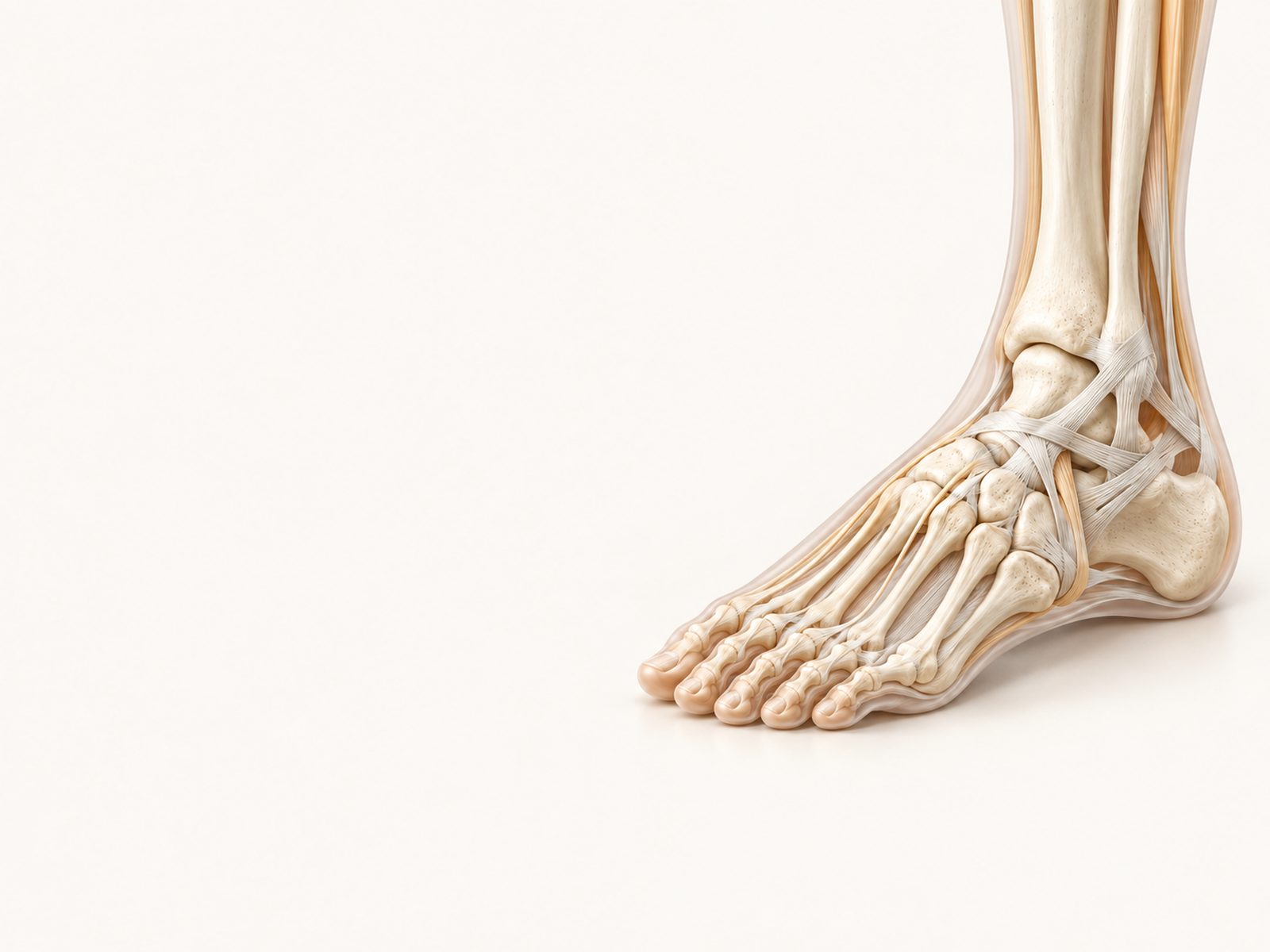
Tendons, ligaments, and cartilage share a problem: limited blood supply. Muscle, which is richly supplied, heals well. These structures do not, which is why a rolled ankle or a strained tendon can still bother you a year later and why overuse injuries so often become chronic.
Repaired tissue is also frequently different from the original. Scar tissue is less elastic and less resilient than what it replaces, which is a large part of why a previously injured site is more likely to be injured again.
Common Causes
- Acute tears and strains
- Repetitive overuse
- Inadequate recovery between loads
- Previous injury at the same site
- Biomechanical imbalance
Typical Symptoms
- Pain that returns with activity
- Swelling after exertion
- Reduced strength or power
- Instability or giving way
- An injury that has not resolved as expected
How Stem Cell Therapy Helps
MSCs bring repair signaling and cellular resources directly to tissue that struggles to supply its own.
- 1
Delivers Repair Resources
Direct placement brings growth factors and viable cells to structures whose limited blood supply is the reason they heal slowly.
- 2
Supports Tendon and Ligament Tissue
Growth factors support the cells that build and maintain collagen, the structural protein these tissues depend on.
- 3
Reduces Inflammation
Anti-inflammatory signaling helps manage the persistent inflammation that characterizes overuse injuries.
- 4
Supports Repair Quality
The goal is repair that more closely resembles the original tissue rather than the less resilient scar tissue that often replaces it.
Treatment Protocol & Timeline
Injury Assessment
Examination and imaging review to identify the specific structure involved and grade the extent of the injury.
Targeted Treatment
Ultrasound-guided placement directly into the injured structure, typically 60–90 minutes in-clinic.
Progressive Loading
A graded return-to-activity plan, since tendon and ligament tissue remodels in response to load applied at the right time.
What to Expect
- Week 1–2
- Protected phase. Initial inflammatory response as repair begins; temporary soreness is expected.
- Week 4–6
- Progressive loading typically begins. Reduced pain with activity commonly reported.
- Month 3–6
- Continued remodeling as the tissue matures under load. Return to full activity is staged rather than immediate.
Expected Outcomes
Recovery depends on which structure is injured, how severe the damage is, how long it has been present, and how well the loading plan is followed. These are goals, not guarantees, and some injuries need surgical repair.
Reduced Pain with Activity
Many patients report being able to train or work without the pain that previously limited them.
Restored Strength
Improved strength and power at the injured site as tissue quality improves.
Better Stability
Reduced sensation of instability or giving way in previously injured joints.
Return to Sport
A staged, monitored return to the activity that mattered enough to get treated for.
Lower Re-Injury Risk
Supporting genuine tissue repair rather than settling for scar tissue is aimed at reducing the chance of the same injury recurring.
A Non-Surgical Option to Weigh
Worth evaluating for injuries where surgery is being considered but is not urgent. That decision is made with your physician.
Services We May Use
These are the approaches most often drawn on for sports & injury recovery. Which of them fits — if any — is decided at your consultation, not before it.
StemWave Therapy
Focused acoustic wave therapy to break down damaged tissue, stimulate circulation, and activate the body’s natural repair processes.
Stem Cell Injections
Regenerative cells delivered directly to targeted tissues to support repair where healing and recovery have slowed.
Acupuncture
A 45-minute session led by a highly experienced acupuncturist — 15 minutes of assessment and placement, then 30 minutes of intentional rest.
Ready to Explore Regenerative Options?
Schedule a consultation to discuss your condition and whether a regenerative protocol is appropriate for you.