
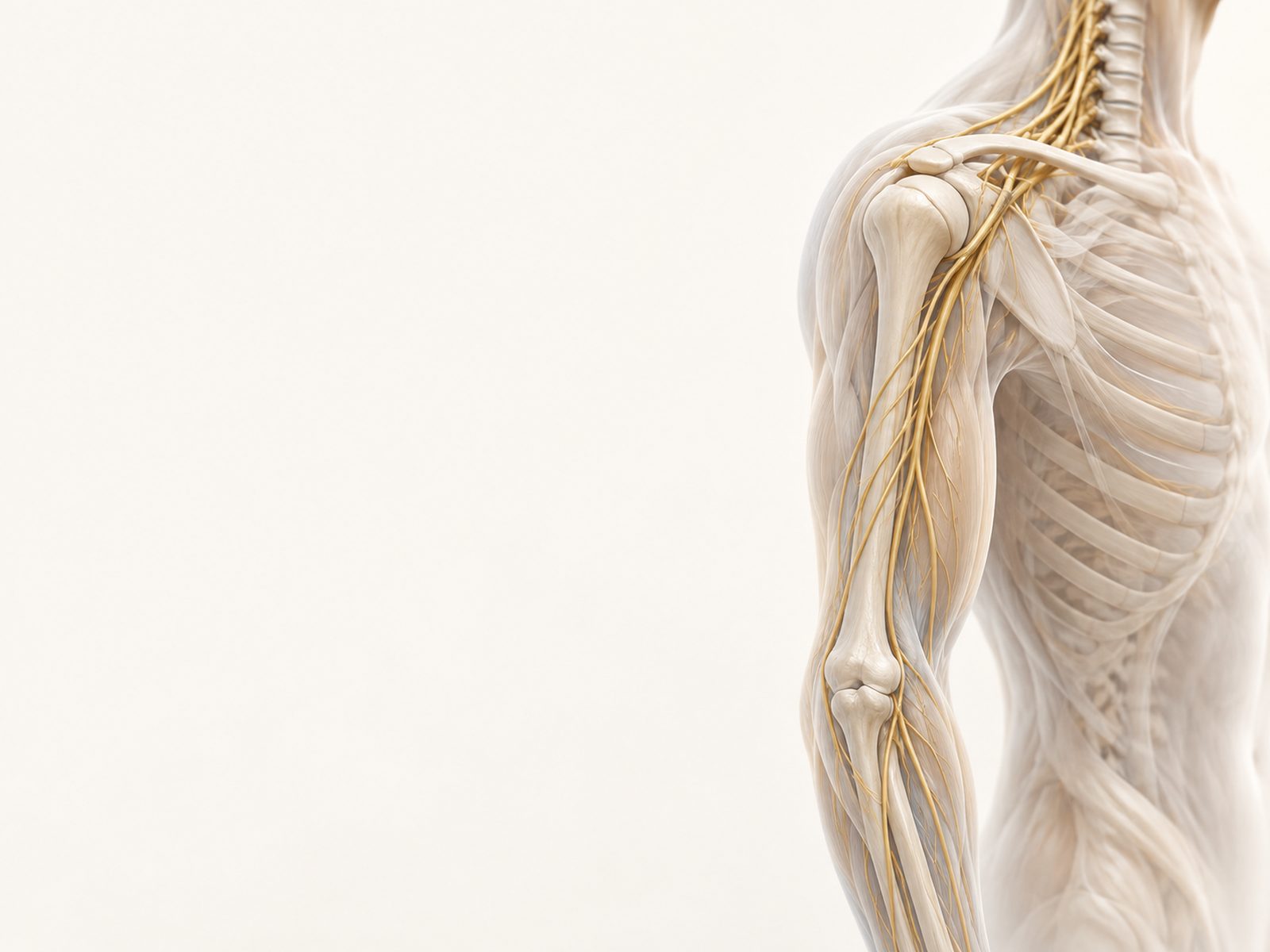
Chronic Pain Support
When pain outlasts the injury that caused it, the problem is often ongoing inflammation and a sensitized nervous system. Regenerative approaches work on both.
Understanding Chronic Pain
Pain is called chronic when it persists beyond the normal healing window, usually three months or more. At that point it is rarely just a signal that tissue is damaged. Ongoing low-grade inflammation, incomplete tissue repair, and changes in how the nervous system processes pain signals all keep the experience going.
This is why chronic pain so often resists treatments aimed only at the original site. A protocol that addresses the inflammatory environment and supports genuine tissue repair gives the body a different starting point than pain management alone.
Common Causes
- Incompletely healed injury
- Persistent low-grade inflammation
- Degenerative changes in tissue
- Nervous system sensitization
- Post-surgical changes and scar tissue
Typical Symptoms
- Pain lasting beyond three months
- Aching, burning, or radiating sensations
- Sleep disruption from discomfort
- Fatigue and reduced activity tolerance
- Growing reliance on pain medication
How Stem Cell Therapy Helps
Mesenchymal stem cells act on the environment that sustains chronic pain rather than on the pain signal itself.
- 1
Calms the Inflammatory Cascade
MSCs release anti-inflammatory cytokines that help down-regulate the persistent inflammatory signaling associated with long-standing pain.
- 2
Supports Incomplete Repair
Growth factors released by stem cells signal surrounding cells to resume repair processes in tissue that never fully healed after the original injury.
- 3
Modulates Pain Signaling
Research suggests MSCs may influence the sensitization of nerve tissue that keeps pain signals firing after the underlying injury has settled.
- 4
Improves the Local Environment
By supporting circulation and tissue quality at the treated site, MSCs help create conditions in which normal healing can proceed.
Treatment Protocol & Timeline
Comprehensive Pain Assessment
Full history, imaging review, and evaluation of inflammatory markers to map where the pain originates and what is sustaining it.
Targeted Treatment
Site-directed injection, systemic delivery, or a combination, chosen for the pattern of your pain and often paired with supportive therapies.
Ongoing Support
Movement, nutrition, sleep, and stress guidance, with follow-up to track how the pattern is changing over time.
What to Expect
- Week 1–4
- Initial response as inflammation begins to settle. Some patients notice temporary soreness at treated sites before improvement.
- Month 2–3
- Changes in pain pattern more commonly reported, often as reduced intensity or fewer bad days rather than a single sudden shift.
- Month 4–6
- Continued change as tissue repair progresses. Chronic pain typically improves gradually rather than all at once.
Expected Outcomes
Chronic pain is highly individual and its causes are often layered. Outcomes depend on how long the pain has been present, what is driving it, and overall health. The following are goals we work toward, not guaranteed results.
Reduced Pain Intensity
Many patients report that pain becomes less intense and less constant as inflammation is addressed.
Better Sleep
Reduced night-time discomfort often improves sleep quality, which in turn supports the body’s repair processes.
Increased Activity Tolerance
Improved ability to stay active for longer without triggering a flare.
Reduced Medication Reliance
Some patients reduce their use of pain medication under their physician’s supervision. Never adjust medication on your own.
Fewer Flare Days
A pattern of fewer bad days per month is often the first change patients notice.
Restored Daily Function
Return to work, hobbies, and time with family with less of the day organized around managing pain.
Services We May Use
These are the approaches most often drawn on for chronic pain support. Which of them fits — if any — is decided at your consultation, not before it.
StemWave Therapy
Focused acoustic wave therapy to break down damaged tissue, stimulate circulation, and activate the body’s natural repair processes.
Stem Cell Injections
Regenerative cells delivered directly to targeted tissues to support repair where healing and recovery have slowed.
Stem Cell IV Infusion
Systemic regenerative support, allowing regenerative cells and signaling factors to circulate throughout the body.
Immune / Inflammation Therapy
Biofeedback and therapeutic laser used together to calm an overactive immune response and support healthier regulation.
Acupuncture
A 45-minute session led by a highly experienced acupuncturist — 15 minutes of assessment and placement, then 30 minutes of intentional rest.
Chiropractic Adjustment
A 15-minute adjustment designed to release where the body holds stress, tension, and restriction.
Nutritional Consultation
A focused 30-minute consultation on using whole foods to support healing, energy, and long-term health.
Ready to Explore Regenerative Options?
Schedule a consultation to discuss your condition and whether a regenerative protocol is appropriate for you.